The Financial Reality of Passing Down a Family Cottage
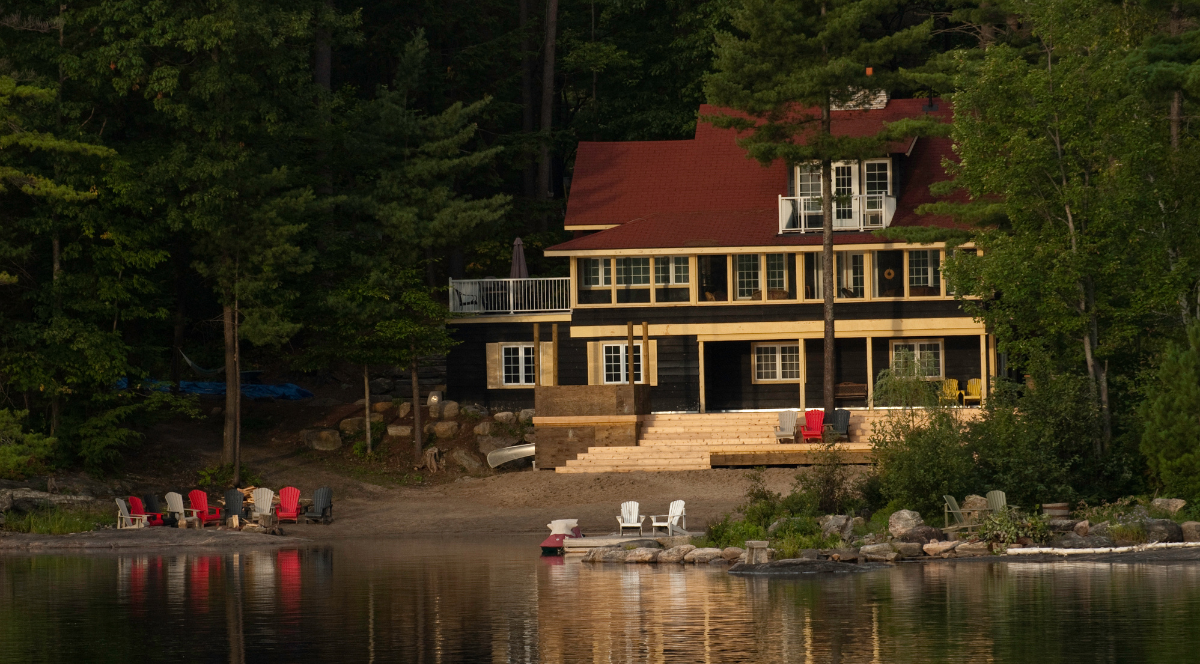
For many families, the cottage is more than just a property.
It’s where birthdays were celebrated, summers stretched on forever, and family traditions quietly took shape over decades. Which is exactly why conversations about cottages and secondary properties can become so emotionally charged.
At some point, many families find themselves facing questions they never planned for:
- Who’s going to keep it?
- Can anyone realistically afford it long term?
- What happens if one sibling wants to sell and another wants to hold on?
- How do you divide something that carries emotional value far beyond its financial value?
These situations are becoming increasingly common, especially as property values continue to rise and more Canadians approach retirement with secondary properties, shared ownership arrangements, or aging family members.
And often, the emotional attachment to the property makes it difficult to step back and look at the financial reality clearly.
Why Family Cottage Planning Gets Complicated
One of the biggest misconceptions around cottages and vacation properties is that passing them down is relatively straightforward.
In reality, there are usually far more moving pieces involved than families expect. A secondary property can create:
- Capital gains tax implications
- Estate administration challenges
- Shared ownership disagreements
- Uneven financial contributions between family members
- Ongoing maintenance and repair costs
- Questions around fairness within the broader estate
We regularly see situations where one family member has spent years helping maintain the property, covering repairs, replacing appliances, or managing upkeep, without ever having clear ownership expectations discussed.
Others assume the cottage will stay in the family indefinitely, only to discover later that the financial reality doesn’t support that outcome.
And in many cases, no one wants to raise the conversation because they’re worried it will create tension. Unfortunately, avoiding the conversation creates more stress later.
The Emotional Side of Letting Go
One of the hardest parts of cottage planning is that the decision is rarely just financial.
For many people, the property represents connection, identity, family history, and memories tied to a specific stage of life.
We’ve worked with couples where one person feels strongly attached to keeping the property, while the other starts thinking more practically about the long-term realities:
- The maintenance is becoming overwhelming
- Travel feels harder than it used to
- Healthcare access may become a concern
- Retirement cash flow needs are changing
- The next generation may not use the property the same way
That emotional tension can make the decision incredibly difficult.
Because even when selling may make financial sense, it can still feel like letting go of a part of family history.
Important Questions About Family Cottage Ownership
The families who navigate these situations most successfully are usually the ones willing to start the conversation early, before decisions become urgent.
By doing this they create space to understand the options ahead of time. Some important questions to consider include:
1.Does keeping the cottage realistically fit everyone’s financial picture?
A property that feels manageable today may become much more expensive over time once repairs, taxes, insurance, and maintenance increase.
2. What happens if ownership is shared?
Shared ownership can work well, but expectations need to be clear. Who pays for repairs? What happens if one person wants out? How are future decisions made?
3. Are all family members equally invested?
Sometimes parents assume children want to inherit the cottage, while the next generation may feel overwhelmed by the responsibility or financial commitment attached to it.
4. Is there a plan for the tax implications?
Many families underestimate the capital gains tax associated with secondary properties. Planning ahead can help avoid unnecessary financial pressure later.
5. How does the cottage fit into the overall estate plan?
If one child inherits the property, how will the rest of the estate be balanced fairly between siblings?
Why Early Cottage Estate Planning Matters
In many families, financial conversations don’t happen openly.
People worry about upsetting each other. They avoid difficult topics. Assumptions replace actual planning.
Then a health issue, unexpected death, or financial change forces decisions to happen quickly, often at the worst possible time emotionally.
At Smith Rogers Financial, part of our role is helping families step back and look at the full picture objectively.
Not to remove the emotional side of the decision, but to make sure the financial realities are fully understood before major decisions are made.
Sometimes the right decision is keeping the property in the family.
Sometimes it’s selling it.
And sometimes the biggest value comes from simply having the conversation early enough that everyone understands the options before stress and resentment take over.
Because when it comes to cottages and secondary properties, the hardest part usually isn’t the math. It’s the emotion attached to a legacy that in some families can be over 4 generations (100 years).
If your family has started having conversations about a cottage, secondary property, or estate transition, the earlier you begin planning, the more options you typically have.
Reach out to our team at Smith Rogers Financial and better understand the financial implications tied to your property and long-term estate goals.
For more financial tips and guidance, follow us on Facebook and Instagram.