Executor Responsibilities Explained: What You Need to Know Before Saying Yes
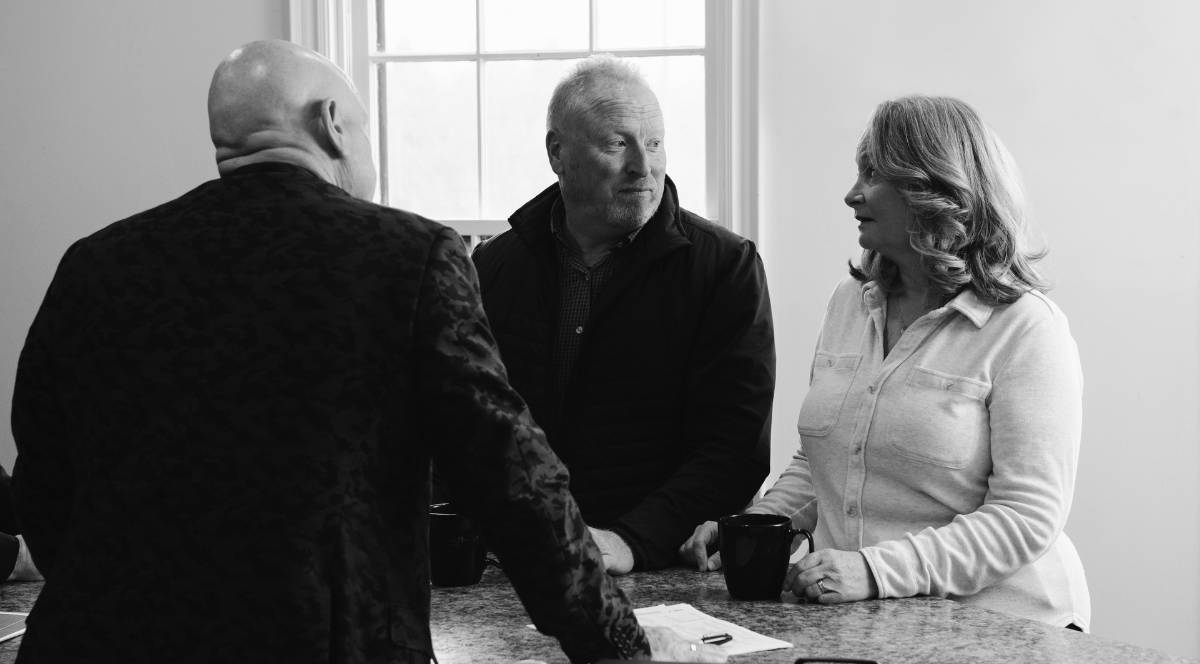
It’s usually a conversation that happens quickly, sometimes even casually.
Someone you trust asks, and you say yes without thinking too much about what it truly involves.
On paper, it can sound straightforward. You carry out their wishes, handle the estate, and make sure everything is settled properly.
But in reality, it’s a lot more involved than people expect.
What Does an Executor Do? Understanding the Role and Responsibilities
Being an executor means you’re responsible for managing someone’s affairs after they pass away. That includes things like:
- Gathering financial information and assets
- Paying off debts and taxes
- Filing final tax returns
- Distributing assets according to the will
- Communicating with family members and beneficiaries
Individually, none of these tasks seem overwhelming. But together, they can take months, or even years to fully complete. And most of it happens during a time when people are already dealing with loss.
The Time Commitment Most People Don’t Expect
One of the biggest misconceptions is how long this role takes.
It’s not a one-week process. It’s not even a one-month process. It can involve:
- Coordinating with lawyers and accountants
- Tracking down accounts across different institutions at home and overseas
- Waiting on paperwork and approvals
- Managing ongoing communication with beneficiaries
Even relatively simple estates can require consistent attention over an extended period of time. And if things aren’t clearly organized, that time commitment increases quickly.
What Happens When an Estate Isn’t Organized Properly
This is where we tend to see the biggest challenges.
If accounts are scattered, documents are missing, or instructions aren’t clear, the executor is left trying to piece everything together. This could mean:
- More back-and-forth with institutions
- Delays in accessing funds
- Uncertainty around what decisions need to be made
And in some cases, it can lead to tension within families.
Because the executor isn’t just managing paperwork, they’re also navigating expectations, questions, the release of cash bequests and sometimes disagreements.
The Emotional Responsibilities of Being an Executor
Being an executor is emotional.
You’re making decisions on behalf of someone who is no longer there to clarify their wishes. You’re communicating with family members who may be grieving in different ways.
And at the same time, you’re responsible for making sure everything is handled properly.
That’s a lot to carry, especially if you’re not sure where to start.
Choosing the Right Executor: What to Think About
Choosing an executor is about choosing someone who can handle the responsibility that comes with the role. That might mean asking:
- Do they have the time to take this on?
- Are they organised and able to manage administrative tasks?
- Do they manage their own finances well?
- Will they be able to navigate family dynamics if needed?
In some cases, it also means having a conversation ahead of time, so they understand what’s involved and feel prepared to step into that role when the time comes.
Because the clearer this is upfront, the easier it is for everyone later.
Reducing Stress for Everyone Involved
When things are structured properly, the executor isn’t left guessing. They can move through the process with more clarity and confidence.
And just as importantly, it reduces the strain on relationships during an already difficult time.
Because instead of trying to figure things out under pressure, there’s a clear path forward.
You Don’t Have to Leave This Unclear
Most people don’t think about the executor’s role until they’re in it. But a little planning now can make a significant difference later.
If you’re not sure how your current setup would look from an executor’s perspective, it’s worth taking a closer look.
Reach out to our team to start a conversation about how to organize your estate in a way that’s clear, coordinated, and easier for the people you care about.
For more insights on financial planning and guidance, follow us on Facebook and Instagram.